20 Birthday Cakes for Adults: Modern Buttercream
Highlighted under: Baking Basics | Simple Cakes
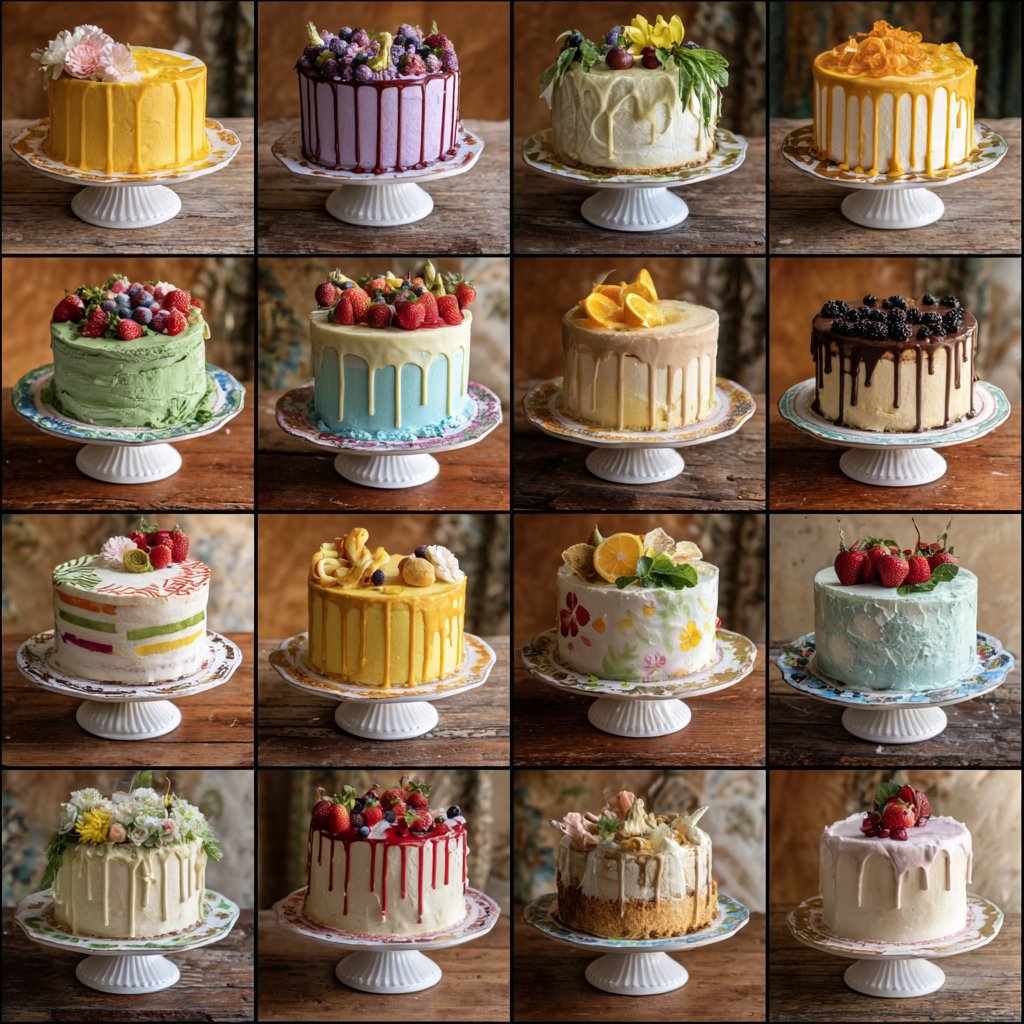
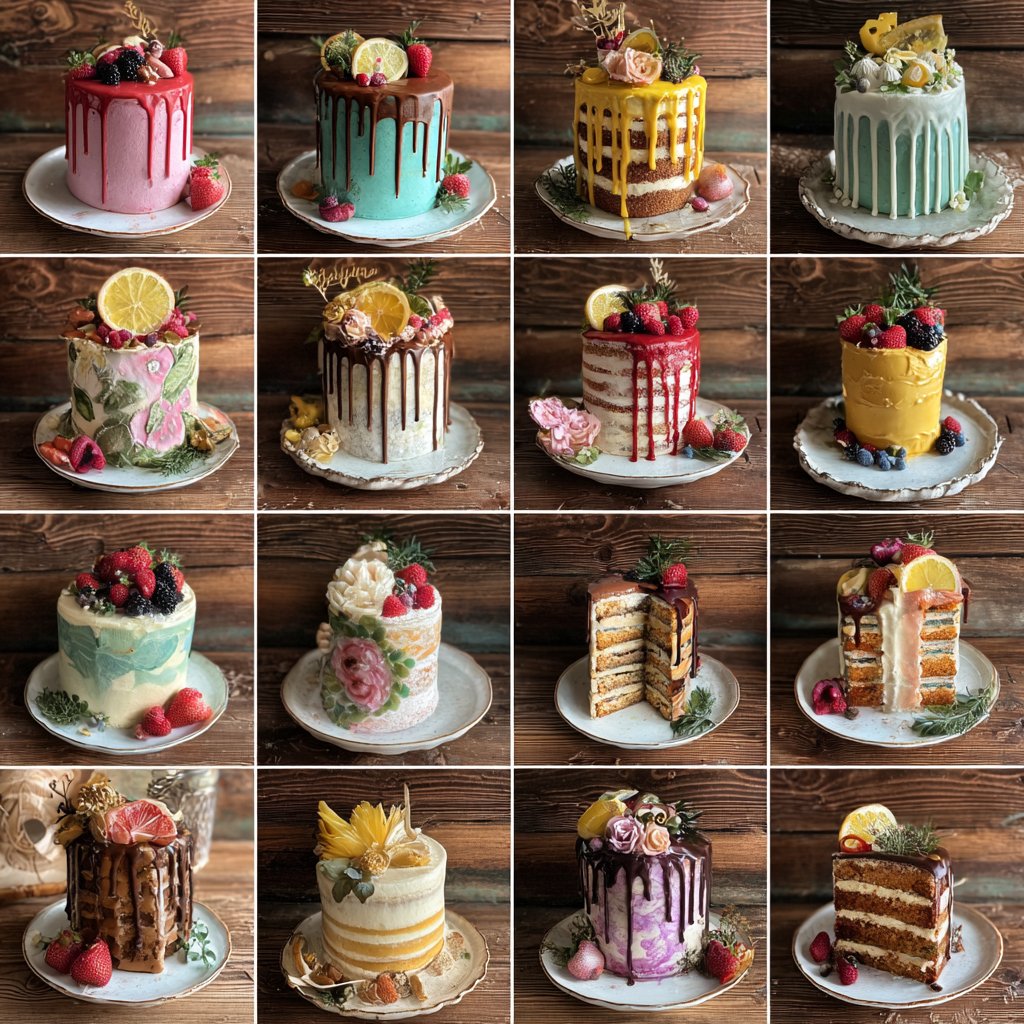
I love creating birthday cakes that not only celebrate the occasion but also cater to the sophisticated palate of adults. When I think of modern buttercream cakes, I envision elegant flavors and stunning designs that make a statement at any gathering. Each cake in this collection has been crafted with care, using unique flavor combinations and techniques that elevate the traditional birthday cake experience. From rich chocolate ganache to zesty lemon curd, these cakes promise to delight and impress your guests, making every birthday a memorable one.
Creating the perfect adult birthday cake has been a delightful journey for me. I experimented with various flavors and textures, and I discovered that modern buttercream is not just visually appealing but incredibly versatile. I particularly enjoyed combining a rich chocolate cake with a refreshing lavender-infused buttercream, proving that even classic flavors can be revitalized.
Throughout this process, I learned the importance of temperature and consistency in buttercream. Keeping your butter at the right softness is key to achieving that smooth and creamy texture. This has made all the difference in the cakes I've created, transforming them into something truly special for any celebration.
Why You'll Love This Recipe
- Elegant designs that impress guests
- Unique flavor combinations for adult palates
- Smooth, creamy buttercream that holds its shape well
Understanding Buttercream
Buttercream is a foundational component of many modern cakes, and its texture can make or break your finished product. The key to achieving a smooth, creamy consistency lies in the proper ratio of butter to sugar. Using unsalted butter allows you to control the saltiness, which is crucial for balancing flavors. When mixed correctly, the buttercream should be thick yet spreadable. If you find your buttercream too loose, add an additional cup of powdered sugar to thicken it without altering the flavor too much.
Temperature is also critical when making buttercream. Ensure your butter is at room temperature (about 65°F) for optimal mixing. If you don't have time to wait, you can microwave your butter in 10-second intervals until slightly softened, but be cautious not to melt it. Proper incorporation of air during beating will give your buttercream the ideal lightness and fluffiness, which can elevate the overall cake experience.
Creative Flavor Infusions
Adding unique flavors to your buttercream can transform a simple cake into an exquisite dessert. While vanilla is a classic choice, consider experimenting with other extracts; almond, hazelnut, or even maple can introduce exciting notes to your frosting. For a firmer, more distinctive flavor, try adding finely crushed spices like cardamom or cinnamon. Always taste as you go, adding small amounts of flavoring to avoid overpowering your other ingredients.
For the fruit lovers, incorporating natural fruit purees into your buttercream adds both flavor and color. For instance, strawberry or raspberry puree not only provides a vibrant hue but also a delightful tartness. When using fruit, reduce your liquid ingredients slightly to maintain the right consistency; a good rule of thumb is to use about 1/4 cup of puree for every batch of buttercream.
Assembling Your Cake
The presentation of your cake is equally as important as its flavor. When layering and frosting the cake, use a cake leveler or serrated knife to achieve flat, even layers. This will ensure that each slice has a consistent amount of frosting and cake, allowing for the best experience when served. If you want to prevent the cake layers from sliding, apply a thin layer of buttercream between each cake layer to form a ‘crumb coat’—this will lock in crumbs and create a stable base for the final frosting layer.
Additionally, consider the cooling process. Once baked, let your cake layers cool in the pan for 15 minutes before transferring them to a wire rack to cool completely. Frosting warm or hot cakes can result in melted buttercream, leading to a slushy consistency. If you're short on time, you can chill the cake layers in the refrigerator for about 30 minutes after they're cooled to room temperature; this will make them easier to handle while frosting.
Ingredients
Gather these ingredients to make your birthday cakes.
Basic Buttercream Ingredients
- 2 cups unsalted butter, softened
- 5 cups powdered sugar
- 1/4 cup heavy cream
- 1 teaspoon vanilla extract
- Pinch of salt
Feel free to adjust the flavors and colors as per your preference.
Preparation Steps
Prepare the Buttercream
In a large mixing bowl, beat the softened butter until creamy. Gradually add the powdered sugar, mixing on low until combined. Pour in the heavy cream, vanilla extract, and salt. Beat on medium speed for about 5 minutes until the mixture is fluffy and smooth.
Flavor the Buttercream
To create unique flavors, consider adding extracts, zest, or even melted chocolate. For a lemon buttercream, mix in fresh lemon zest and a few tablespoons of lemon juice.
Layer the Cake
Once the cakes are cooled, level them if necessary. Spread a layer of buttercream between each cake layer, and then use the remaining buttercream to frost the outer layer of the cake.
After frosting, let the cake sit for a bit to allow the buttercream to set before serving.
Pro Tips
- For a smooth finish, use a bench scraper to even out the buttercream around the edges of your cake.
Storage and Make-Ahead Tips
Buttercream can be made ahead of time, which can significantly reduce stress on the day of your celebration. Store it in an airtight container in the refrigerator for up to two weeks. When you’re ready to use it, bring it back to room temperature and rewhip it on medium speed for a few minutes to restore its texture. If it appears too thick after chilling, a tablespoon of heavy cream can help bring it back to the desired consistency.
For longer storage, buttercream can be frozen for up to three months. When freezing, use a freezer-safe container and remember to label it with the date and flavor. Thaw the buttercream overnight in the refrigerator before rewhipping it. This method preserves the integrity of the buttercream while allowing you to enjoy your cake without a last-minute rush.
Troubleshooting Your Buttercream
Common issues with buttercream typically arise from temperature and mixing problems. If your buttercream is too runny, the most likely cause is warm butter or too much liquid. In this case, add extra powdered sugar slowly until you achieve the desired thickness. Conversely, if it's too stiff, try adding a teaspoon of milk or heavy cream and mix thoroughly until smooth.
Another issue can be the appearance of your buttercream. If it looks grainy, it may be due to under-mixing. Continue blending it at medium speed to incorporate air and achieve a smooth finish. If after mixing it still appears grainy, allow it to rest for about 10 minutes; this can often resolve the texture by giving the sugar time to dissolve more completely.
Questions About Recipes
→ Can I use non-dairy butter for this recipe?
Yes, non-dairy butter works well, but ensure it is at room temperature for best results.
→ How long can I store the buttercream?
You can store buttercream in an airtight container in the refrigerator for up to one week.
→ What can I substitute for powdered sugar?
You can make your own powdered sugar by blending granulated sugar until fine, but the texture may vary.
→ Does the buttercream firm up in the fridge?
Yes, chilling the buttercream will firm it up, making it easier to work with for intricate designs.
20 Birthday Cakes for Adults: Modern Buttercream
Created by: The Yasminscookbook Team
Recipe Type: Baking Basics | Simple Cakes
Skill Level: Intermediate
Final Quantity: 20 servings
What You'll Need
Basic Buttercream Ingredients
- 2 cups unsalted butter, softened
- 5 cups powdered sugar
- 1/4 cup heavy cream
- 1 teaspoon vanilla extract
- Pinch of salt
How-To Steps
In a large mixing bowl, beat the softened butter until creamy. Gradually add the powdered sugar, mixing on low until combined. Pour in the heavy cream, vanilla extract, and salt. Beat on medium speed for about 5 minutes until the mixture is fluffy and smooth.
To create unique flavors, consider adding extracts, zest, or even melted chocolate. For a lemon buttercream, mix in fresh lemon zest and a few tablespoons of lemon juice.
Once the cakes are cooled, level them if necessary. Spread a layer of buttercream between each cake layer, and then use the remaining buttercream to frost the outer layer of the cake.
Extra Tips
- For a smooth finish, use a bench scraper to even out the buttercream around the edges of your cake.
Nutritional Breakdown (Per Serving)
- Calories: 350 kcal
- Total Fat: 24g
- Saturated Fat: 15g
- Cholesterol: 80mg
- Sodium: 100mg
- Total Carbohydrates: 30g
- Dietary Fiber: 0g
- Sugars: 28g
- Protein: 2g